CLW GROUP JOURNAL
How to Import a Fuel Tanker Truck from China to Nigeria: Process and Documents
A practical walk-through of the fuel tanker import route from a Chinese factory to a Nigerian fleet: requirement setting, configuration, contract, certification, shipping and Lagos clearing.
Start with the requirement, not the truck
Every smooth fuel tanker import begins with a written requirement: the products you will carry (diesel, petrol or both), the volume per trip, the routes (station rounds, depot trunk runs or site delivery), and the destination port. These four answers drive the chassis, tank capacity and compartment layout, so settle them before comparing quotations. Our Nigeria market guide collects the country-specific questions buyers should prepare.
Step 1: Fix the configuration with the factory
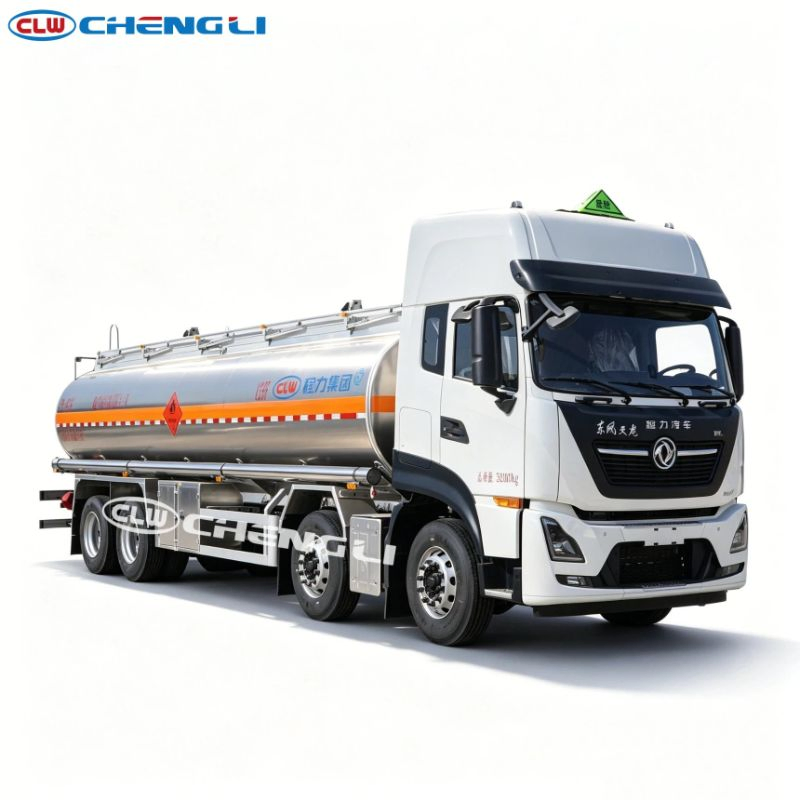
Work with the manufacturer to translate your requirement into a specification: tank volume and material, number of compartments, engine and emission standard, pump and metering, and safety equipment such as bottom loading with vapour recovery. Confirmed-per-order items should be written into the specification sheet, not left in marketing language. For an example of how a capacity-led specification reads, see the Dongfeng Tianlong 25,500-litre aluminium fuel tanker.
Step 2: Verify the supplier and the vehicle record
Ask the exporter for the chassis certificate, the tank inspection report and the build photos of the actual vehicle being quoted. A factory that publishes real vehicle records, localised photography and full specification tables, as we do across our fuel tanker range, makes verification straightforward. Confirm which documents will travel with the shipment: commercial invoice, packing list, bill of lading and the certificate set your destination requires.
Step 3: Certification before shipping
Nigeria-bound consignments fall under SONCAP conformity procedures, and fuel tankers additionally operate under NMDPRA requirements once in service. Read our SONCAP certification guide for the document route, and confirm with your agent which certificates must be issued before the vehicle sails, because correcting conformity paperwork after arrival is far more expensive.
Step 4: Choose the shipping method
Heavy trucks typically move to Lagos either by roll-on/roll-off service or on container flat racks, and bulk units can travel by bulk carrier. The right choice depends on unit count, port schedules and how quickly you need the vehicle on the ground. Our Lagos port shipping guide compares the practical differences between Apapa and Tin Can delivery.
Step 5: Lagos clearing and inland handover
Appoint a licensed clearing agent before the vessel arrives, and agree who handles terminal charges, duty assessment and inspection at the port. Fuel tankers attract specific checks, so keep the tank inspection report and conformity certificates in the same document pack as the bill of lading. After release, plan the road move or registration workflow with your local partner.
Bring the requirement to us
CLW GROUP quotes capacity- and chassis-led configurations for Nigerian buyers, with English-language export support and documents prepared for the Lagos route. Send your products, volumes and destination port through the enquiry form and the team will return a workable specification and quotation.