CLW GROUP JOURNAL
Fuel Tanker Price in Nigeria: What Goes Into the Landed Cost
Why fuel tanker quotations differ so widely, and how to compare them honestly: the vehicle specification, certification, freight, duty and clearing components that make up a landed price in Nigeria.
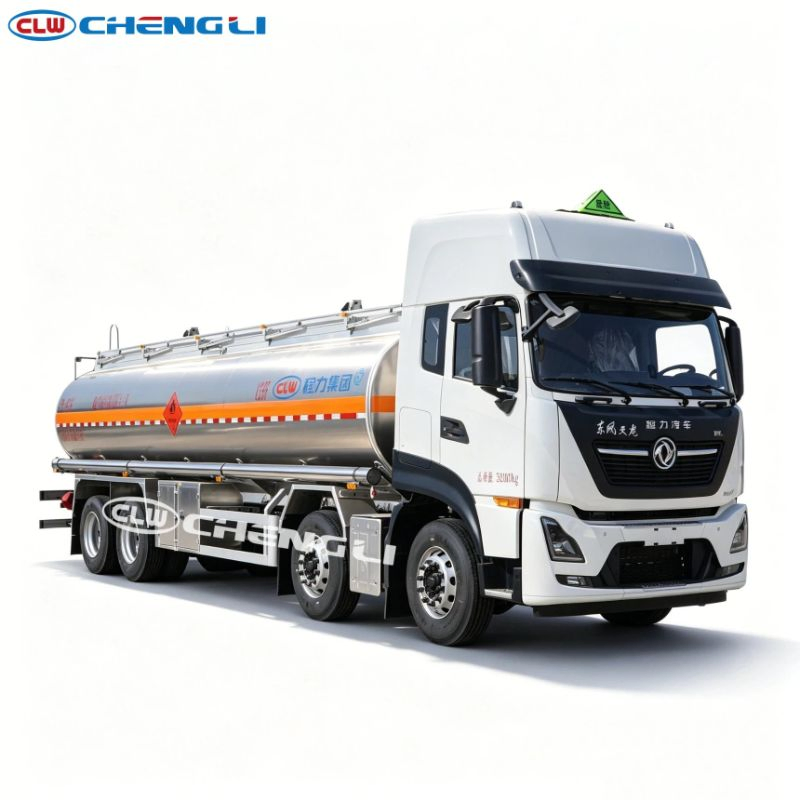
Why two quotations for "the same" tanker differ by thousands of dollars
Fuel tanker prices quoted to Nigerian buyers vary enormously because the underlying vehicles are rarely the same: tank material, chassis brand, safety equipment and certification all move the number. A quotation is only comparable when it is built on a written specification. This guide breaks the landed cost into its components so you can see where money actually goes.
Component 1: The vehicle specification
The largest share is the truck itself, driven by:
- Chassis brand and rating — a 4x2 light chassis costs a fraction of an 8x4 heavy tractor; engine output and emission standard move the price within a brand.
- Tank material — carbon steel (Q235) is the economical choice; 5182 aluminium alloy saves roughly two to three tonnes of tare weight on a comparable body and costs more up front, as we compare in our material guide.
- Capacity and compartments — more litres and more compartments mean more steel or alloy, baffles, valves and manholes.
- Loading and safety equipment — bottom loading with vapour recovery, anti-overflow probes, meters, EBS electronics and monitoring systems each add cost but determine which terminals the vehicle can serve.
Specification is also where compliance lives: with loading caps tightening, an over-sized tank is not a bargain at any price — see our NMDPRA limit guide.
Component 2: Certification and documents
Conformity assessment under the SONCAP route, tank inspection reports and notarised paperwork are modest line items that protect a much larger investment. Budget for them explicitly rather than discovering them at the port.
Component 3: Freight to Lagos
Roll-on/roll-off and flat-rack container services price differently by schedule, and heavy units can move as bulk cargo. Freight moves with fuel prices and vessel availability, so ask for both options and compare landed terms rather than FOB alone. Our Lagos ports guide explains what changes between Apapa and Tin Can arrivals.
Component 4: Duty, levies and clearing
Import duty and levies are assessed on the vehicle by the customs process, and clearing costs include terminal charges and agent fees. Rates and assessments change with fiscal policy; confirm the current position with your clearing agent rather than planning on a fixed percentage from an old shipment. Keep descriptions identical across invoice, certificates and bill of lading so the assessment is smooth.
Component 5: Inland delivery
Port-to-yard trucking, escort for heavy units and registration costs complete the picture. Small individually, but they belong in the budget.
How to request a comparable quotation
Send every supplier the same written brief: products carried, litres required per trip at legal weight, route type, compartments, loading method, safety equipment and destination port. A factory quoting against that list — as we do from the enquiry form — returns offers you can line up side by side. Ask each quotation to state what is included: documents, freight basis (FOB, CFR), and what remains for you to arrange in Nigeria.
A note on "cheap"
The tankers that cause the fires and the bridge damage that triggered stricter loading rules are usually the cheapest builds. A compliant, well-specified tanker from a factory that publishes full vehicle records — like our fuel tanker range — protects both your operating licence and your payload. See also the full import process guide.