CLW GROUP JOURNAL
Carbon Steel vs Aluminium Fuel Tankers: Choosing for Nigerian Operations
Carbon steel or 5182 aluminium for your next fuel tanker? The trade-offs in weight, payload, corrosion, repair and cost, decided for Nigerian road conditions and loading rules.
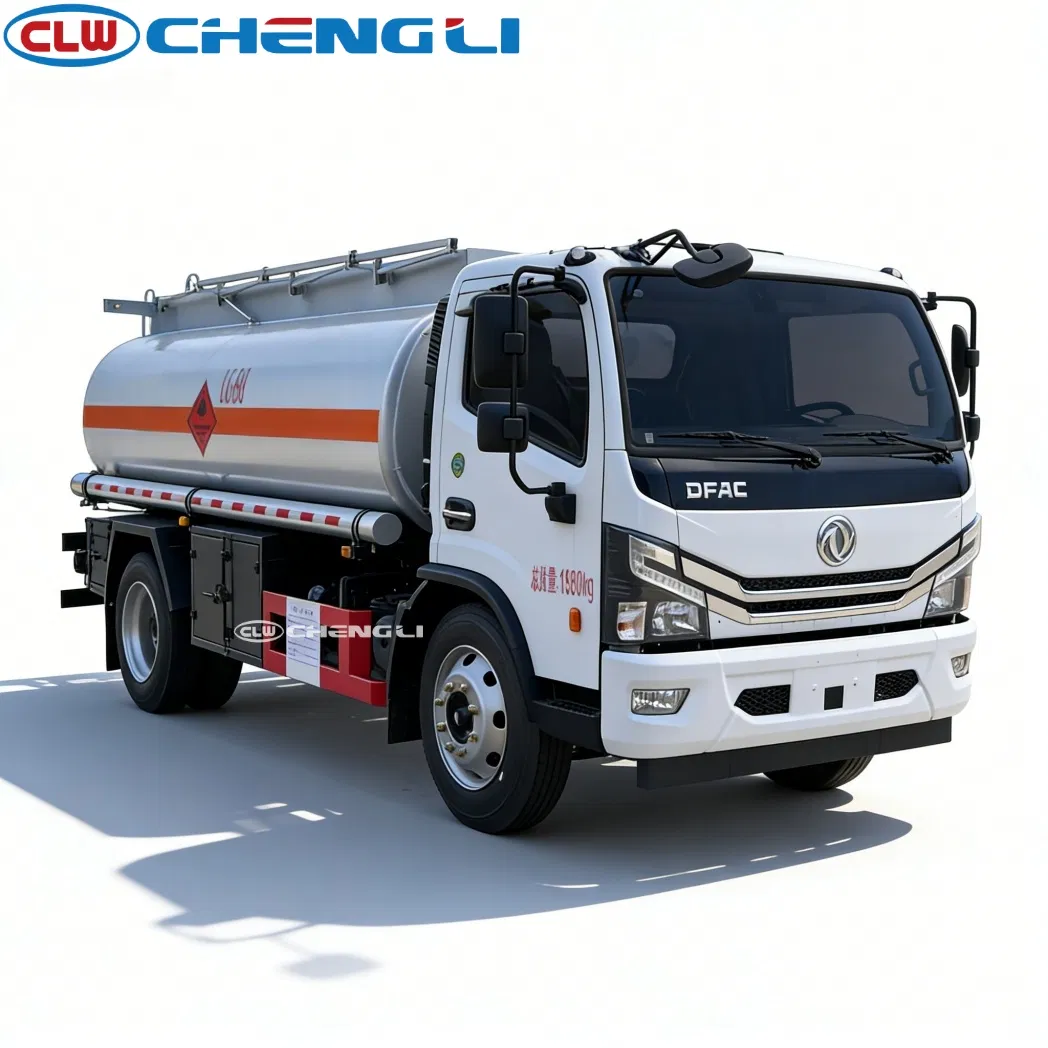
The choice in one paragraph
Carbon steel (typically Q235) is the economical, easily repaired default that most Nigerian workshops know how to weld. Aluminium alloy (5182) costs more up front but saves roughly two to three tonnes of tare weight on a comparable tank, resists corrosion from moisture in fuel, and converts that weight saving directly into legal payload. Everything else in this decision follows from how your fleet values those properties.
Weight: the payload dividend
A fuel tanker fills legally to its gross vehicle weight, so every kilogram of tare weight saved is a kilogram of product carried. On a 32,000 kg GVW chassis, the difference between a carbon steel and an alloy tank of similar volume can be on the order of 2,000-3,000 kg — around 2,400-3,600 extra litres of diesel per trip at typical densities. With loading caps tightening (see our NMDPRA guide), moving more product within a legal envelope matters more than sheer tank size. You can see the arithmetic worked through in our capacity guide.
Corrosion: where alloy earns its price
Water finds its way into fuel systems through condensation and handling. Carbon steel rusts from the inside over years of damp product; 5182 alloy does not rust, though it has its own galvanic sensitivities around dissimilar-metal fittings, which good builds manage with isolation. For operators storing vehicles humid coastal environments — Lagos and Port Harcourt included — the corrosion argument is real.
Repair: the steel advantage
Any competent roadside or depot workshop in Nigeria can weld carbon steel. Alloy repairs need welders qualified for 5182 and matching consumables, which are concentrated in bigger centres. A single small dent changes the equation far less than a repair network you cannot reach, so ask where your nearest qualified alloy repair would actually be before committing a whole fleet.
Cost and payback
The honest answer is that payback depends on your litres per week and how long you keep the vehicle: an alloy tanker hauling near-daily over years returns the premium through payload; a lightly used steel tanker may never miss it. Avoid fake precision on payback periods — model it with your own volumes, fuel margins and holding period, then decide.
Two worked examples from our range
The HOWO TX7 30,000-litre carbon steel tanker represents the cost-effective heavy build: proven steel tank, big volume, straightforward repair anywhere. The Dongfeng Tianlong 25,500-litre aluminium tanker is the premium reading: 5182 alloy with uniform 6 mm shell, tare weight of 11,585 kg on a 32 t GVW, EBS/ESC electronics and factory bottom loading. Same factory, two strategies.
How to decide
- Choose carbon steel when first cost rules, repair access is uncertain, and the truck runs moderate cycles.
- Choose aluminium when the fleet runs hard, loads at modern terminals, values the extra legal litres per trip, and can reach qualified repair.
Either way, buy against a written specification — our price breakdown guide shows how to keep quotations comparable — and confirm compartments, loading method and safety kit per your terminals through the enquiry form.