CLW GROUP JOURNAL
Shipping Trucks to Lagos: Apapa and Tin Can Port Guide for Vehicle Imports
A practical comparison of shipping heavy trucks to Lagos: RORO versus flat rack, what changes between Apapa and Tin Can, and the document pack that keeps clearing predictable.
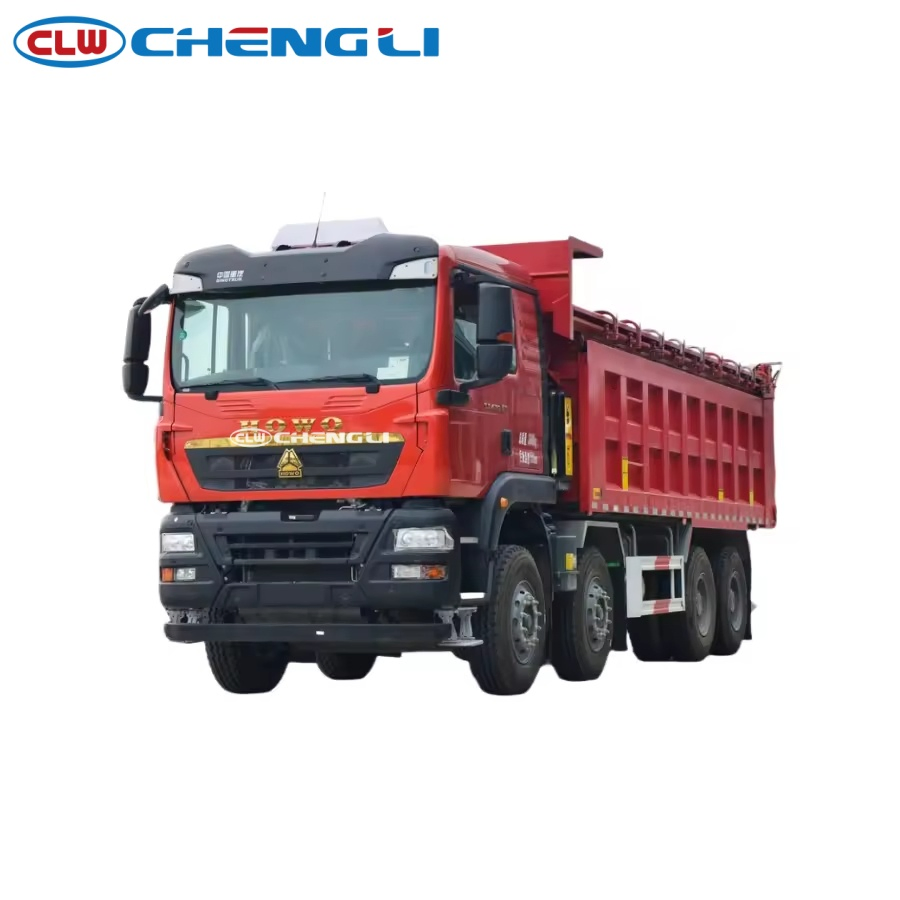
Two ports, one destination city
Lagos handles the bulk of Nigeria vehicle imports through two gateways: Apapa and Tin Can Island. Which one your truck arrives at is usually decided by the shipping line and the service schedule rather than by the buyer, but the practical differences matter for planning: terminal procedures, congestion patterns and the inland haul out of the port area. Build flexibility into the collection plan and let your clearing agent confirm the arrival terminal once the bill of lading is issued.
RORO: the default for drivable trucks
Roll-on/roll-off services are the standard method for heavy trucks that can be driven on and off the vessel. RORO keeps handling simple and suits single units and small fleets. The vehicle should arrive fuel-ready but with minimal fluids per carrier rules, and any loose equipment documented on the packing list.
Flat rack and bulk options
- Flat rack: the truck is lashed onto a container platform, useful for shared sailings, height-restricted units or when your forwarder consolidates cargo. Lashing and wrap quality matter more than on RORO.
- Bulk carrier: heavy or over-dimensional units can travel as bulk cargo; this is a per-booking discussion with the exporter and carrier.
The cost difference between methods moves with schedules and fuel, so ask for both options when requesting a quotation and compare door-delivery terms, not just freight.
The document pack that keeps clearing predictable
Arrive at the port with: the bill of lading, commercial invoice and packing list describing the same vehicle in the same words; the conformity certificates from the SONCAP route described in our SONCAP guide; and the vehicle papers such as the chassis certificate and tank inspection report for fuel tankers. Consistent descriptions across every document are the single biggest lever for smooth clearing.
After release
Plan the road move from the terminal: heavy trucks move under escort or port towing rules depending on the unit, and new vehicles need their registration workflow started with local authorities. If you are importing a fleet, sequence the units so drivers and documents arrive together.
Put the route together
We ship Nigeria-bound trucks with documents prepared for the Lagos route, and our import walk-through covers the steps before shipping. Compare the tanker configurations that travel this route in our fuel tanker range, from the 9,900-litre Dongfeng to the 30,000-litre HOWO.